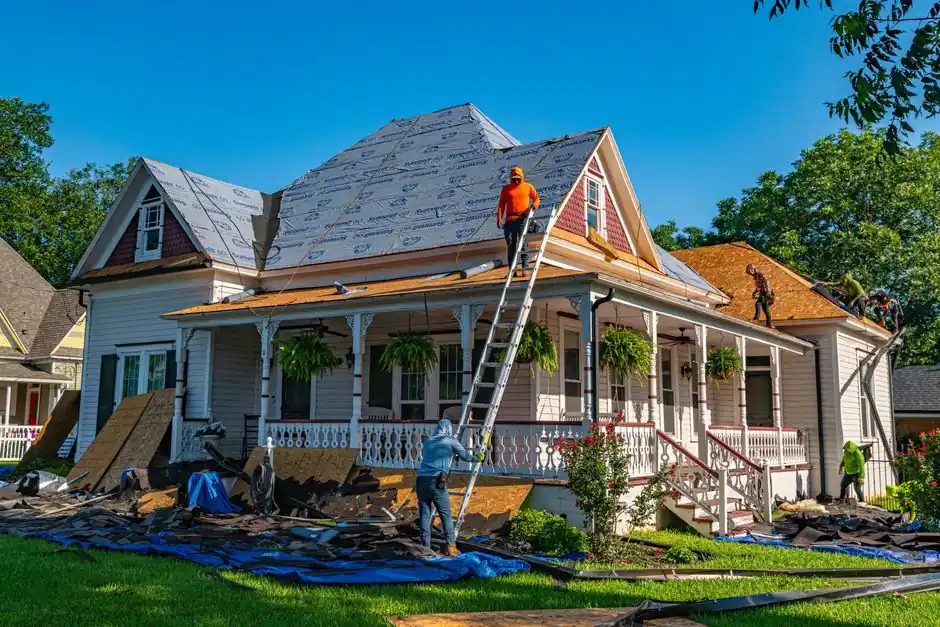
Full Tear-Off
We remove all existing roofing layers down to the decking, not just the top layer. This lets us inspect the sheathing and correct any rot, soft spots, or failed fasteners before the new system goes on.
Every replacement we install follows the same core scope. Add-ons like skylight replacement or gutter guards are quoted separately so you can see exactly what you are paying for.
We remove all existing roofing layers down to the decking, not just the top layer. This lets us inspect the sheathing and correct any rot, soft spots, or failed fasteners before the new system goes on.
A self-adhering membrane goes along the eaves, valleys, and around penetrations. It seals nail holes and protects against ice dams, which are a real problem on Connecticut roofs every winter.
Chimney flashing, vent boots, valley metal, and drip edge are all replaced, not reused. Old flashing is a leading cause of roof leaks, and reusing it undercuts the whole point of a new roof.
We install ridge vents and confirm intake ventilation is adequate. Balanced ventilation keeps the attic closer to outdoor temperature, which reduces ice dams and extends shingle life.
Old shingles go into dumpsters we place and remove. We run a magnetic sweeper over the lawn and driveway at the end of each day and again at the finish, so nails do not end up in your tires.
Roof replacement in Connecticut is the full removal of your existing roof system down to the decking, followed by new underlayment, flashing, drip edge, and finished roofing. It is not a patch or an overlay. We strip every layer, inspect the roof decking for rot or soft spots, and rebuild from the sheathing up. That matters here, where a 20-year-old roof has already survived dozens of freeze-thaw cycles, nor'easters, and summer hail.
Most Connecticut homes hit replacement age between 18 and 25 years for asphalt shingles. If you are seeing missing shingles after a storm, granule loss in the gutters, or ice dams every February, you are past repair territory. A roof replacement service Connecticut homeowners call for usually starts with a free inspection, and we tell you straight whether you need a full replacement or a targeted repair.
Every job follows the same sequence, whether it is a 1,200-square-foot ranch in Enfield or a steep Victorian in Norwich. Here is what you can expect from the first call to the final walkthrough.
Schedule
Call or book online — a real human picks up and confirms a 2-hour arrival window.
Diagnose
Licensed tech inspects on-site, then walks you through the cause and your options.
Fix
The job is completed to code and done right the first time — no shortcuts, no surprises.
Guarantee
Every job backed by a written workmanship warranty — and we stand behind it.
 Tools & Equipment
Roofing nail gun and air compressor
Fastens shingles at the correct depth and pattern. We set the compressor pressure per the manufacturer spec so nails seat without cutting through the shingle.
Roofing shovel and pry bar
Strips old shingles and underlayment without gouging the decking. Clean tear-off protects the sheathing you are keeping.
Chalk line and tape measure
Lays out courses and flashing lines so shingle rows stay straight and exposure is consistent across the whole roof.
Fall protection harness and ladder
Keeps every crew member tied off on steep pitches. We follow OSHA safety certification standards on every job, no exceptions.
Magnetic sweeper
Picks up stray roofing nails from the lawn, driveway, and flower beds at the end of each day. It is the last thing we do before leaving.
Caulking gun and roof cement
Seals small details around pipe boots and counter-flashing where a full metal replacement is not needed.
Manufacturer-spec nailing patterns
GAF, Owens Corning, and CertainTeed each specify nail placement and count per shingle. We follow those specs exactly, because warranty claims get denied on improper fastening more often than on material defects.
Two-layer ice and water shield at eaves
We run ice and water shield along the eaves and in valleys, where ice dams and water backup actually happen. It is the single most important detail on a Connecticut roof.
Balanced attic ventilation
Ridge vents only work with adequate intake at the soffits. We calculate the ratio and confirm intake is open before installing, so the system actually moves air.
Decking inspection during tear-off
Every sheet of roof decking gets checked for rot, delamination, and failed fasteners. Soft sections are replaced and photographed before the new roof covers them.
01
What we do: We replace the roof with a manufacturer-warrantied system and register the warranty so it transfers to the buyer. We provide documentation and photos for your listing and inspection.
→ The roof stops being a negotiation item, and the buyer inherits real coverage instead of a question mark.
02
What we do: We inspect and document the damage, work with your adjuster on the claim scope, and install a full replacement if the damage is widespread rather than isolated.
→ You get a code-correct roof instead of a patchwork of mismatched shingles, and the claim paperwork is handled properly.
03
What we do: We install a TPO membrane or EPDM membrane system with heat-welded seams and correct slope and drainage details, rather than shingling a surface that should never have shingles.
→ Standing water drains instead of sitting, and the membrane carries its own manufacturer warranty.
04
What we do: During replacement we correct ventilation with new ridge vents and confirm intake airflow, and we check for attic condensation causes while the roof is open.
→ The attic runs closer to outdoor temperature, which cuts ice dam risk and takes pressure off your insulation and HVAC.
Connecticut roofs take a beating from both ends of the thermometer. Summer attic temperatures push 130 degrees, then January drops to single digits and refreezes whatever melted. That cycle is what drives ice dams, flashing failure, and granule loss. Building stock matters too: 1920s capes in West Hartford and Meriden often have skip-sheathed decking that needs correction, while newer colonials in Cheshire and Newtown usually have plywood in better shape. We work to Connecticut building code on ventilation and ice barrier requirements, and we pull permits where the town requires them. If you are pricing a full roof replacement Connecticut homeowners can budget for, the honest answer is that pitch, layers, and decking condition move the number more than shingle color ever will. We inspect first, then quote.
West Hartford Center
Older homes with steep pitches and multiple dormers. Flashing detail around dormers and chimneys is where most leaks start here.
Norwich and the Thames corridor
Mix of older housing stock and flat-roof commercial buildings. We handle both shingle and TPO membrane systems in the same week.
The Litchfield Hills
Higher elevation means more snow load and longer ice dam season. Ice and water shield coverage gets extended on these roofs.
Shoreline towns like Darien and Greens Farms
Wind-driven rain and salt air accelerate corrosion on flashing and fasteners. We spec corrosion-resistant metal on these jobs.
Freeze-thaw cycles from December through March
Water works into small flashing gaps, freezes, and widens them. This is why we replace all flashing during a roof replacement rather than reusing it.
Summer attic temperatures above 130 degrees
Cooks shingles from below and shortens their life. Balanced ridge and intake ventilation is not optional here; it is what makes the warranty hold.
Nor'easters and remnant tropical systems
Wind-driven rain pushes water sideways into places gravity-fed drainage never touches. Correct underlayment and drip edge details are the defense.
Older homes with skip sheathing
Requires new plywood decking before shingles can be installed. We identify this during inspection so it is in the quote, not a surprise mid-job.
Most roofs do not fail all at once. They give warnings for a season or two first. Here is what we see most often and how a replacement resolves it.
Problem
Water stains ceilings, rots framing, and soaks insulation. Each patch buys a few months until the next storm finds a new path.
Our Fix
We replace the flashing entirely during tear-off, install new ice and water shield around every penetration, and seal it correctly. The leak source is removed, not covered over.
Problem
Meltwater backs up under shingles and into the attic, damaging drywall and insulation. It happens repeatedly once attic ventilation is out of balance.
Our Fix
A new roof with proper ice and water shield at the eaves plus balanced ridge and intake ventilation keeps the deck colder and gives meltwater a path off the roof.
Problem
Exposed underlayment degrades fast. Once shingles start lifting, wind gets under the field and strips whole sections in the next storm.
Our Fix
If damage is widespread, replacement is the right call. We document storm damage for your insurance claim and install a new system rated for Connecticut wind loads.
Problem
Moss holds moisture against the shingles and speeds granule loss. Once the granules are gone, the asphalt dries out and the shingles crack.
Our Fix
We remove the old roof, correct the shade and drainage conditions that feed moss, and install shingles with algae-resistant granules where it makes sense.
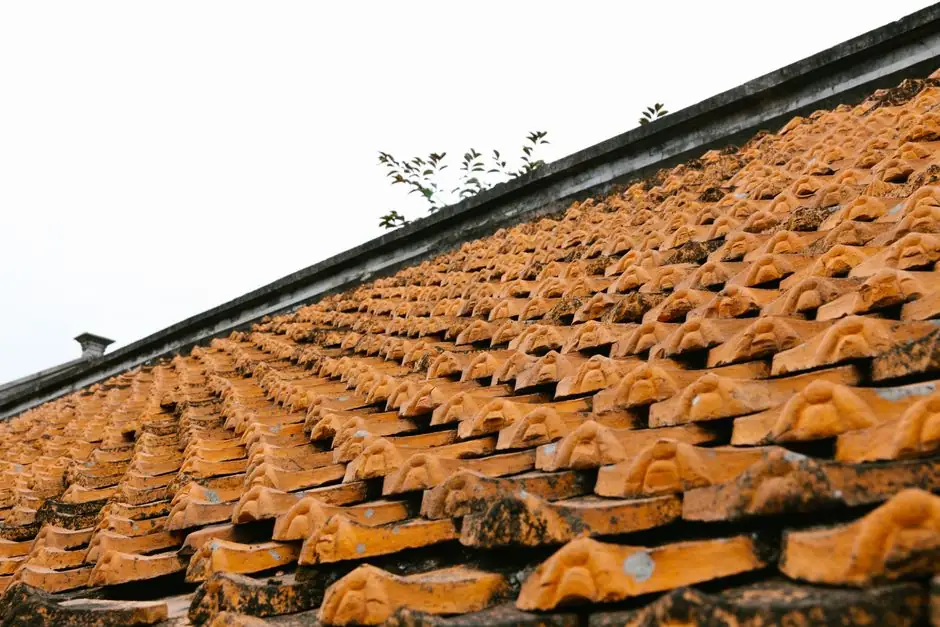
A new roof stops the leaks, restores your home's curb appeal, and protects the structure underneath. Here is what you actually get when you replace roof Connecticut style, with materials rated for our climate.
Stop Chasing Leaks
Once flashing fails or shingles curl, water finds a new path every storm. A full replacement resets the entire system: new ice and water shield at the eaves, new flashing at chimneys and valleys, new ridge vents. You stop patching the same leak twice a year and stop paying for callbacks.
Cut Heating and Cooling Loss
A properly vented attic with new ridge vents and balanced intake keeps attic temperatures closer to outdoor air. That reduces ice dam formation in winter and cuts summer heat gain. Homeowners often notice the difference in the first full season after installation.
Protect the Structure
Water that gets past a failing roof rots decking, insulation, and eventually framing. Replacing the roof before that happens keeps the repair scope small. We replace any soft decking we find during tear-off, so the new roof sits on solid sheathing.
Add Resale Value
A new roof is one of the few home improvements buyers can verify from the driveway. It shows up in listings, inspections, and insurance conversations. With a manufacturer warranty transferable to the next owner, it becomes a selling point rather than a negotiation item.
Typical 2026 pricing for an asphalt shingle replacement in Connecticut runs $9,500 to $22,000 for most homes, with metal and flat membrane systems running higher. The number moves with square footage, roof pitch, how many layers need removal, and whether we find rotted decking during tear-off. We inspect first and give you a written scope, so you are comparing real numbers instead of phone guesses. Financing is available for larger jobs.
Typical Investment Range
$9,500 - $22,000 for most asphalt shingle replacements; metal and flat membrane systems priced higher
A roof replacement is a 20-to-25-year purchase, not a seasonal expense. Doing it once with correct flashing, ventilation, and a registered manufacturer warranty costs less than three rounds of repairs plus the water damage they let through.
What changes the price
Roof size and pitch
Square footage sets the material quantity, and pitch sets the labor. A steep 12/12 roof takes longer and needs more fall protection than a walkable 6/12, which shows up in the labor line.
Number of existing layers
One layer of shingles tears off fast. Two or three layers add disposal weight, dumpster count, and labor hours. We confirm layers during inspection so it is in the quote.
Decking condition
Soft or rotted sheathing gets replaced before the new roof goes on. We photograph every section we replace and price it per sheet, so you see exactly what was added.
Material selection
Standard architectural shingles sit at the lower end. Owens Corning Duration, GAF Timberline, standing-seam metal roofing panels, and TPO membrane systems each carry different material and warranty costs.
Flashing and penetration count
Chimneys, skylights, dormers, and vent stacks each need their own flashing detail. More penetrations mean more labor and more places that must be sealed correctly.
Access and disposal
Tight driveways, steep lots, and landscaping that needs protection slow the job down. Dumpster placement and haul-away are part of the scope, not hidden add-ons.
Google ★★★★★4.9
Straightforward quote, no pressure, and they actually showed up on the day they said. Tear-off and install took two days. They found two sheets of rotted decking, showed me photos, and the added cost matched what they quoted on the spot.
Yelp ★★★★★4.8
We had ice dams every winter for years. After the replacement they did with the extra ice and water shield at the eaves, we went through last February with no backup and no ceiling stains. That alone was worth the cost.
BBB ★★★★★4.9
Handled our storm damage claim from inspection through install. They documented everything for the adjuster and installed a full replacement instead of patching. Yard was swept clean both days. No complaints from the neighbors.
Our crews run roof replacement service Connecticut wide, from the northeast corner down to the shoreline. Each town has its own mix of housing stock, permit requirements, and weather exposure, and we quote accordingly. Here are some of the communities we cover most often.
Rural properties with long driveways and steep pitches. We stage dumpsters carefully and handle roofs with limited access without tearing up the yard.
Mix of older homes and newer builds. We check skip sheathing on the older ones and correct decking before installing new shingles.
Many 1980s and 1990s colonials hitting replacement age now. Ice and water shield at the eaves is standard on every job here.
Coastal exposure means wind-driven rain and salt air. We spec corrosion-resistant flashing and fasteners on shoreline roofs.
A lot of ranches and capes with two layers of old shingles. Full tear-off and decking inspection are routine on these jobs.
Larger homes with complex rooflines and multiple dormers. Flashing detail around dormers and valleys is where we focus.
Older housing stock with steep pitches. We handle the access challenges and confirm ventilation before installing ridge vents.
Dense neighborhoods with tight lots. We protect landscaping and neighboring property, and sweep for nails at the end of each day.
Hilly terrain and varied roof ages. We inspect for decking rot on the older homes before quoting the full replacement.
Newer colonials and some older farmhouses. We match shingle profiles to the neighborhood and register the manufacturer warranty.
Both residential shingle roofs and flat commercial buildings. We run TPO membrane installs and shingle replacements in the same week here.
Smaller homes in a wooded setting. Shade and moisture feed moss growth, so we address drainage and algae-resistant shingles where it helps.
Historic properties near the river. We work carefully around older architectural details and match materials where the town requires it.
Higher elevation means more snow load and a longer ice dam season. We extend ice and water shield coverage on these roofs.
Mix of rentals and owner-occupied homes near the university. We schedule around tenants and keep the job site clean and quiet.
Real answers to the questions we hear most often from local homeowners and property managers.
New construction and additions need a roof installed from the decking up. We run the same ice and water shield, underlayment, and flashing details we use on replacements, so the new build starts with the same protection.
View Roof InstallationNot every problem needs a full tear-off. If flashing failure or a few missing shingles is the only issue, we repair it and tell you honestly how many seasons the rest of the roof has left before replacement makes more sense.
View Roof RepairWe trace roof leaks to the source, not just the stain on your ceiling. Chimney flashing, vent boots, and valley metal are common culprits. We fix the entry point, test it, and document the repair so you know it is solved.
View Roof Leak RepairA full inspection covers shingles, flashing, decking, ventilation, and attic conditions. We photograph everything and give you a written report. It is the right first step before a replacement quote or an insurance claim.
View Roof InspectionStorm damage, fallen limbs, and active leaks get priority. We tarp and stabilize the roof to stop water intrusion, then schedule the permanent repair or replacement once the weather clears and your claim is moving.
View Emergency Roofing ServicesAfter hail or wind damage, we document the affected slopes, match shingle profiles where possible, and work with your adjuster on the scope. If the damage is widespread, we transition the claim into a full replacement.
View Storm Damage Roof RepairCall (844) 720-2263 any time, day or night. For routine estimates we answer between 7 a.m. and 7 p.m., and emergency calls roll straight to a live dispatcher. You can also send photos of your roof through the website and we will reply with a ballpark range before we come out.
Phone
(844) 720-2263Address
Connecticut
Hours
Mon–Fri: 7AM – 7PM
Sat: 8AM – 4PM
Sun: Emergency Only
24/7 Emergency Available