
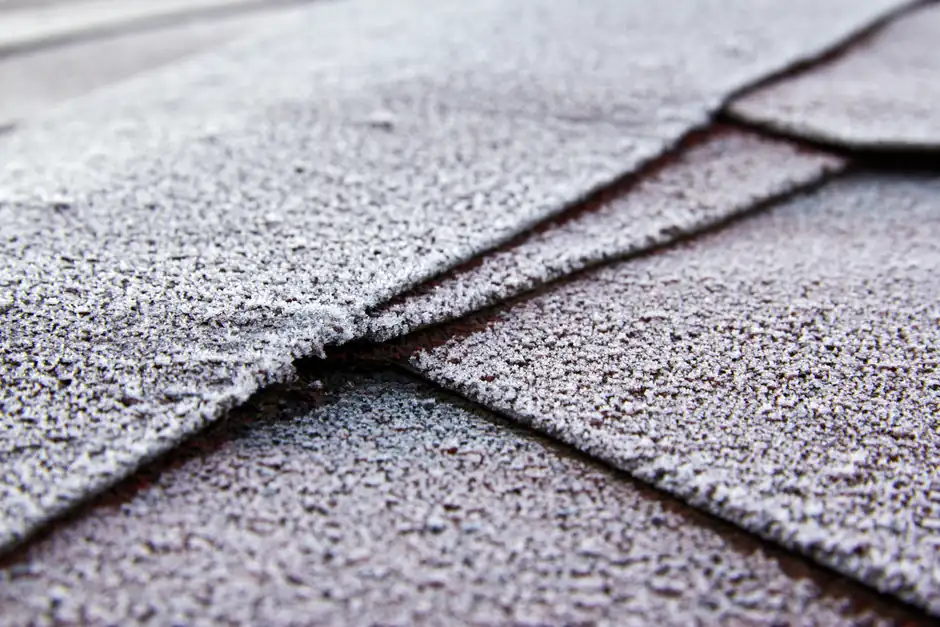
Curling and cracking shingles in Connecticut are almost always caused by one of three things: repeated freeze-thaw cycling, attic heat that bakes the shingles from underneath, or asphalt shingles that have simply reached the end of their 20-to-25-year service life. If you can see the edges lifting, the tabs splitting, or granules collecting in your gutters, the damage is already past the cosmetic stage.
We're RoofPros Connecticut, and we've climbed enough roofs from the shoreline to the Litchfield Hills to know that the same three culprits show up again and again. Below, we break down what each one looks like, how to tell them apart, and what it costs to fix in 2026.
The Short Answer: What Actually Curls and Cracks Shingles Here
Shingle curling and cracking in Connecticut is a moisture-and-temperature problem, not a manufacturing defect in most cases. Asphalt shingles are designed to flex slightly with the seasons, but when water gets into the mat and freezes, it expands and pushes the shingle apart from the inside.
Connecticut sits in a climate zone where roofs see roughly 100 to 120 freeze-thaw cycles per winter. Each one is a small stress event. Over a decade, that adds up to thousands of tiny fractures in the asphalt and the fiberglass mat underneath.
That's the core mechanism. Everything else - sun exposure, ventilation, roof pitch, and shingle quality - either accelerates it or slows it down.
Freeze-Thaw Cycling Is the Number One Cause in Connecticut
Freeze-thaw cycling is the leading cause of curling shingles in Connecticut because our winters swing above and below 32°F constantly, sometimes within the same 24 hours. A roof in Hartford or Waterbury might see a 45°F afternoon and a 20°F night in the same week. That's the perfect setup for water to get in, freeze, and pry shingles apart.
Here's what's happening at the shingle level:
- Snowmelt or rain seeps into a small gap at the shingle edge or a nail pop.
- Overnight, that moisture freezes and expands roughly 9% in volume.
- The expansion lifts the shingle edge slightly - you can't see it yet.
- Daytime thaw lets more water in. The next freeze lifts it further.
- After a full season, the shingle edge is visibly cupped or curled.
This is why curling tends to show up first on south- and west-facing slopes. Those get the most sun during the day, so they thaw fastest and refreeze hardest at night. North-facing slopes often look fine even when the rest of the roof is failing.
If you're seeing this pattern and want a straight answer on whether it's repairable, our team handles roof repair in Connecticut and can tell you in one visit whether you're looking at a patch job or a replacement.
We see this constantly in older mill towns and river valleys. Roofs across Bristol and the Naugatuck Valley take a beating because the temperature swings there are sharper than along the coast, and many of those homes still have their original 1990s shingle layers.
Attic Heat and Poor Ventilation Bake Shingles From Below
Attic heat is the second major cause of shingle cracking in Connecticut, and it's the one homeowners miss most often. On a July afternoon, an unvented attic can hit 140°F to 160°F. That heat radiates up through the deck and cooks the underside of the shingles.
What that does over time:
- Dries out the asphalt. The oils that keep shingles flexible evaporate faster.
- Accelerates granule loss. Without granules, the asphalt is exposed to UV directly.
- Creates thermal shock. A 150°F attic in August and a 15°F attic in January is a 135-degree swing twice a year.
You can usually spot heat-related damage by where it shows up. It's worst on the slopes that get the most afternoon sun and on the upper third of the roof, closest to the ridge. If the shingles near your ridge vents are cracked but the eaves look fine, ventilation is your problem, not age.
The fix is rarely just new shingles. We look at intake vents at the soffit, exhaust at the ridge, and whether the attic has enough net free area for the square footage. A 1,500-square-foot attic typically needs about 1,500 square inches of net free ventilation - half intake, half exhaust. Most homes we inspect are running at half that.
How Old Is Too Old? Shingle Age and Granule Loss
Asphalt shingles in Connecticut typically last 18 to 25 years, which is shorter than the 25-to-30-year ratings you see on the wrapper. The rating assumes a moderate climate. Our freeze-thaw cycle cuts roughly 15% to 20% off the expected life.
Here's a rough guide for 2026:
- 0-10 years: Curling here usually means a ventilation or installation problem, not age.
- 10-18 years: Early curling on south-facing slopes is normal wear. Repairs are still worth it.
- 18-25 years: Widespread curling plus granule loss means you're near the end. Start budgeting.
- 25+ years: Cracking, brittleness, and missing tabs are expected. Replacement is the honest answer.
You can check granule loss yourself. Run your hand along a downspout splash area after a heavy rain. If you're finding a noticeable pile of gray grit, the shingles are shedding their protective layer. Once the mat is exposed, the shingle is on borrowed time.
If your roof is in that 18-to-25-year window and you're weighing repair versus replacement, we walk through the numbers on Connecticut roof replacement - including what a tear-off and re-deck actually costs versus patching a failing roof every spring.
Cracking vs. Curling: Two Different Problems, Two Different Fixes
Cracking and curling look similar from the ground but they point to different root causes, and treating them the same way wastes money. Curling is an edge-lifting problem, usually moisture-driven. Cracking is a splitting problem, usually heat- and age-driven.
What curling looks like
The edges of the shingle lift up, cupping toward the sky. The center of the shingle may still be flat and intact. You'll see this most on south- and west-facing slopes and on roofs over 15 years old.
What cracking looks like
The shingle splits - sometimes down the middle, sometimes along the tab lines. Cracks tend to run vertically and often appear in clusters. This is the classic sign of a shingle that's dried out and lost its flexibility.
Why the distinction matters
Curling shingles can sometimes be re-sealed or spot-replaced if the mat is still sound. Cracked shingles usually can't - once the mat is split, water gets straight to the deck. If you're seeing cracks across more than about 20% of a slope, patching is throwing money at a losing battle.
We see a lot of this on the older housing stock around Bridgeport, where 1920s and 1950s roofs have been re-shingled two or three times without ever addressing the underlying ventilation.
What to Watch Out For: Common Mistakes Homeowners Make
The biggest mistake we see is treating curling shingles as a cosmetic issue and waiting another two or three winters. By the time curling is visible from the ground, water has usually been getting in for at least one full season.
Other mistakes that cost Connecticut homeowners real money:
- Sealing curled tabs with roofing cement. It works for one season, then fails and traps moisture underneath.
- Re-shingling over a failing layer. You save on tear-off, but the new shingles curl faster because they're sitting on an uneven, moisture-trapping base.
- Ignoring attic ventilation. New shingles on an unvented attic will show the same cracking within 8 to 10 years.
- Pressure-washing the roof. It blasts granules off and voids most manufacturer warranties.
- Waiting until you have an active leak. By then you're paying for decking and possibly interior repairs, not just shingles.
One more: don't assume a roof is fine because it's only 12 years old. We've inspected 12-year-old roofs in Connecticut that were already curling because the attic had zero intake ventilation.
When to Call a Professional
Call a professional when you can see curling or cracking from the ground, when you're finding granules in the gutters after every rain, or when your roof is past 18 years old and you're not sure what you're looking at. Those three signals cover about 90% of the calls we run.
A professional roof inspection in Connecticut takes about 45 to 60 minutes and tells you three things: how much of the roof is affected, whether the decking underneath is still sound, and whether repair or replacement is the better spend. We check the attic too - ventilation problems don't show up from the driveway.
If you're seeing active water inside the house after a storm, that's a different call. Our team handles Connecticut roof leak repair and can usually get out same-day when water is coming in.
We work across the state, from the shoreline towns up through the Farmington Valley and the quiet hill towns. If you're in a smaller community like Bethlehem, we're still your local crew - same response time, same pricing.
Frequently Asked Questions
How long do asphalt shingles last in Connecticut?
Expect 18 to 25 years, not the 25-to-30 years on the wrapper. Freeze-thaw cycling and humid summers cut roughly 15% to 20% off the rated life. If your roof is past 20 years and showing curling, start planning for replacement rather than another repair.
Can I fix curling shingles myself?
You can replace a handful of individual shingles if the mat underneath is sound, but it's rarely worth the risk. Walking a Connecticut roof in winter or after a rain is dangerous, and improper nailing causes the next round of curling. One or two shingles, maybe. A whole slope, call us.
Does curling always mean I need a new roof?
No. If curling is limited to one slope and the shingles are under 15 years old, it's often a ventilation or flashing issue we can repair for $400 to $1,200. Once curling covers more than about 30% of the roof, replacement is the better spend.
What does roof replacement cost in Connecticut in 2026?
Typical 2026 pricing in this area runs $9,000 to $18,000 for a standard asphalt shingle replacement on a 1,500-to-2,500-square-foot roof, including tear-off and disposal. Steeper pitches, multiple layers, and new decking push it higher. We give you a flat number before we start.
Why are only some shingles curling?
Because sun exposure, ventilation, and shingle age aren't uniform across a roof. South- and west-facing slopes curl first, and areas near ridge vents or unvented attic sections fail earlier. Isolated curling usually points to a localized moisture or airflow problem.
Get Help With Roofing in Connecticut
If your shingles are curling or cracking, the clock is already running. Every freeze-thaw cycle this winter widens the gaps and lets more water into the deck.
Call RoofPros Connecticut at (844) 720-2263 and we'll get a technician out to tell you exactly what's happening and what it takes to fix it - no guesswork, no pressure.