
The single most important step to prepare your Connecticut roof for winter storms is to schedule a professional roof inspection before the first freeze. That inspection catches loose flashing, cracked sealant, and worn shingles while the weather still allows repairs. Connecticut roofs face a unique combination of heavy snow, ice dams, and freeze-thaw cycles that can turn small vulnerabilities into major leaks.
We see it every year: homeowners in Connecticut who wait until January to address roof issues end up paying for emergency repairs in the middle of a nor'easter. This guide walks you through the exact steps our technicians take each fall to get roofs ready for winter. We will cover inspections, gutter maintenance, insulation, and the mistakes that cause the most damage.
Why Connecticut winters are hard on roofs
Connecticut winters are hard on roofs because the state sits in a zone where nor'easters dump heavy, wet snow followed by rapid freeze-thaw cycles. That combination stresses every component of your roofing system. A typical winter in Hartford or Litchfield County brings 40 to 60 inches of snow, with coastal areas like Bridgeport and Branford getting more ice than inland towns.
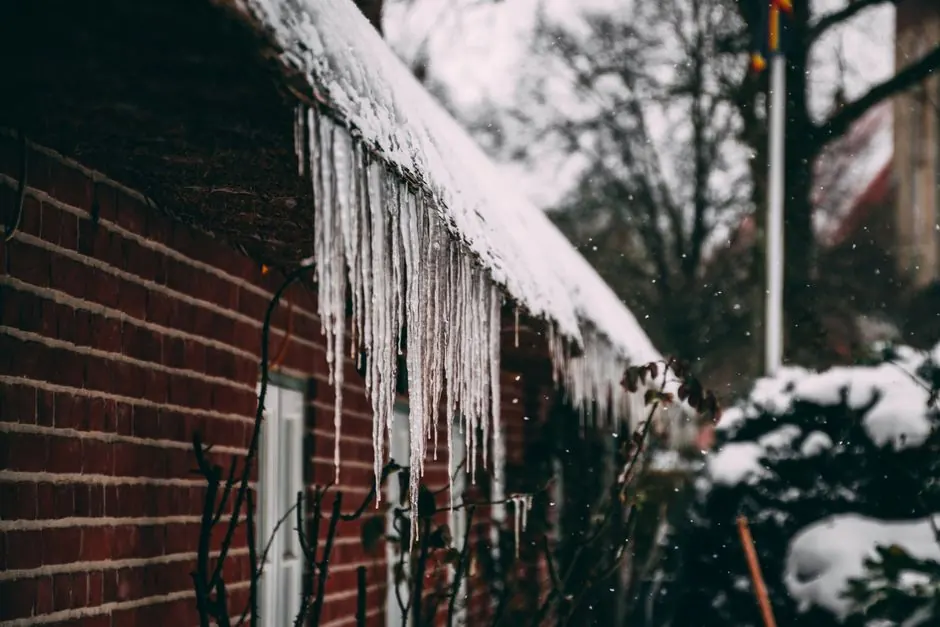
Ice dams form when heat escapes through the attic, melts snow on the roof surface, and the water refreezes at the eaves. That ice block then traps more water, which backs up under shingles and into your home. We have pulled apart roofs in Ansonia and Bethel where a single ice dam caused $8,000 in interior water damage. The fix starts long before the first snowflake.
Freeze-thaw cycles are just as damaging. Water seeps into tiny cracks in flashing or sealant during a warm afternoon, then expands overnight when temperatures drop into the teens. After a few cycles, that crack becomes a gap. By February, you have a leak.
Start with a professional roof inspection
A professional roof inspection in Connecticut is the foundation of any winter prep plan. Our technicians walk the roof, check the attic, and inspect every penetration, flashing point, and shingle course. We look for the specific weaknesses that Connecticut winters exploit.
During a typical inspection, we check:
- Loose or missing shingles, especially on south-facing slopes that get the most sun exposure
- Flashing around chimneys, skylights, and vent pipes
- Sealant around nails and ridge caps
- Gutter attachment and slope
- Attic insulation depth and ventilation
- Signs of previous water intrusion
We recommend scheduling this inspection by mid-October. That gives you time to make repairs before the ground freezes and roof work becomes riskier. If you are in the Bridgeport area, we offer Roofing in Bridgeport with same-week inspection slots through November.
A thorough roof inspection in Connecticut typically costs between $250 and $500 in 2026, depending on roof size and accessibility. That fee is waived if you proceed with repairs through us.
Clear gutters and downspouts before the first freeze
Clogged gutters are the number one cause of ice dams we see in Connecticut. When leaves and debris block the flow, water pools at the roof edge, freezes, and expands under your shingles. Cleaning your gutters in late October or early November is non-negotiable.
Here is what we do on every winter prep visit:
- Remove all leaves, twigs, and granules from the gutter trough.
- Flush the downspouts to confirm they drain freely.
- Check that gutters slope toward the downspouts at roughly 1/16 inch per foot.
- Verify downspouts discharge at least 4 feet from the foundation.
If your gutters are pulling away from the fascia or you see rust streaks, those are signs they need re-securing or replacement. We handle that as part of our roof repair in Connecticut service. Homeowners in older towns like Berlin and Bloomfield often have original gutters that have never been re-pitched, and those fail first when snow loads hit.
Check and repair flashing, seals, and shingles
Flashing and sealant are the weakest points on any roof, and Connecticut winters find every gap. We inspect every chimney, skylight, and vent pipe for lifted metal, cracked caulk, or missing fasteners. A $50 tube of roofing sealant applied in October can prevent a $2,000 interior repair in January.
Shingles matter too. Asphalt shingles become brittle in cold weather, so any that are already cracked or curling will break off under snow load. If your roof is more than 15 years old, we may recommend a full roof replacement in Connecticut before winter rather than chasing repairs all season. A new roof installed in fall will handle snow and ice far better than a patched-up old one.
For homeowners with flat roofs on additions or garages, we check the membrane for bubbles, seams, and ponding. Flat roofs are especially vulnerable to ice dams because water cannot drain as quickly. Our flat roofing in Connecticut team can apply a winter-ready coating or repair seams before the first storm.
Address attic insulation and ventilation
Proper attic insulation and ventilation keep your roof cold in winter, which prevents ice dams from forming. The goal is to keep the roof deck temperature close to the outdoor temperature. When your attic stays warm, snow melts on the roof and refreezes at the eaves.
We recommend at least R-49 insulation in Connecticut attics, which is about 16 inches of fiberglass batts. If you can see the tops of your joists, you do not have enough. We also check that soffit vents are clear and that you have adequate ridge or roof vents to move air through the attic.
Signs of poor ventilation include:
- Frost or condensation on roof nails in the attic
- Musty odors in the attic or upper floors
- Ice dams forming every winter despite clean gutters
- Higher-than-expected heating bills
We see this constantly in older homes across Roofing in Ansonia, where attics were never updated after the original build. Adding insulation and baffles is a one-day job that pays for itself in reduced ice dam damage.
Trim trees and remove debris
Tree branches hanging over your roof are a winter hazard. Heavy snow and ice weigh them down, and a single limb can puncture shingles or tear off flashing. We recommend trimming any branch within 6 feet of the roof surface before Thanksgiving.
Also clear the roof itself of leaves, pine needles, and acorns. Debris holds moisture against shingles and accelerates rot. A leaf blower on a dry day works fine for light debris; for heavy moss or packed needles, call us for a safe roof cleaning.
If you have large trees near your home, consider having a certified arborist assess them. We coordinate with local tree services in towns like Brookfield and Branford to make sure the roof and the trees are both protected.
Common mistakes to avoid
The biggest mistake we see is waiting until the first snow to think about roof prep. By then, it is too late for routine maintenance and you are looking at emergency repairs. Here are other errors to avoid:
- Using a ladder on icy or wet roof surfaces. Falls are the leading cause of DIY roofing injuries in winter. Leave the climbing to us.
- Ignoring small leaks. A tiny stain on your ceiling in November becomes a soaked attic by February. Fix it now.
- Piling snow against the house. When you shovel, do not pile snow against the foundation or up to the roof line. That snow melts and refreezes into ice dams.
- Skipping the attic check. Most ice dams start in the attic, not on the roof. If you have not looked up there since last winter, do it now.
- Hiring an unlicensed contractor. Connecticut requires roofing contractors to be registered with the state. Ask for the registration number before any work begins.
We also caution against using rock salt or ice melt directly on shingles. It corrodes flashing and voids most manufacturer warranties. Use calcium chloride sparingly on walkways only, never on the roof.
When to call a professional
Call a professional if you see any of these signs: missing shingles, water stains on ceilings or walls, ice dams that formed last winter, or a roof older than 15 years. Those are not DIY fixes. They require a licensed roofer who can safely work at height and diagnose the root cause.
Our team at RoofPros Connecticut handles winter prep for homeowners across the state. We inspect, repair, and document everything so you know exactly what condition your roof is in before the first storm. If you are in the greater Hartford area, we also offer Roofing in Berlin and surrounding towns with priority scheduling for pre-winter inspections.
We also provide emergency roofing services in Connecticut if a storm hits before you are ready. But the goal is to never need that call. A few hours of prep in October saves days of stress in January.
Frequently Asked Questions
How much does winter roof preparation cost in Connecticut?
Typical 2026 pricing for a professional winter prep package in Connecticut runs $400 to $900. That includes a full inspection, gutter cleaning, minor sealant repairs, and a written report. Major repairs like flashing replacement or shingle work are quoted separately.
When should I schedule my roof inspection before winter?
Schedule by mid-October. That gives you a two-to-four-week window for any repairs before the first hard freeze, which usually arrives in Connecticut by late November. If you wait until December, you may be looking at emergency rates and limited scheduling.
Can I prevent ice dams on my Connecticut roof?
You can reduce ice dam risk by 80% with proper attic insulation, ventilation, and clean gutters. No method eliminates ice dams entirely, but keeping the roof cold and water flowing is the most effective strategy. We also install ice and water shield membranes during roof replacement.
What are the signs my roof needs repair before winter?
Look for missing or curling shingles, granules in gutters, daylight through roof boards, water stains on ceilings, and rusted flashing. Any of these means water is already getting in or will soon. Call us for an inspection before the first snow.
Do I need a new roof before winter or can I wait until spring?
If your roof is 15 years or older and showing widespread wear, replace it now. A new roof installed in fall handles snow load and ice far better than a patched roof. Waiting until spring risks interior damage that costs more than the roof itself.
Get help with Roofing in Connecticut
Winter is coming, and your roof needs to be ready. Our team at RoofPros Connecticut provides complete winter prep, from inspection to repair to full replacement. We serve homeowners across the state with licensed, insured crews and upfront pricing.
Call us today at (844) 720-2263 to schedule your pre-winter roof inspection. We will get your roof ready for whatever Connecticut winter throws at it.